Sometimes I Feel Old but then I Realize
As an embroidery designer and product reviewer, I’ve seen my fair share of designs that look great on a screen but fall flat in real-world use. Sometimes I Feel Old but then I Realize is one that caught my attention for its relatable humor and versatile style. It’s the kind of design that could work across multiple mediums—t-shirts, mugs, and more—but how does it hold up when stitched onto fabric? Let’s break it down.
The First Impression: A Design That Speaks Volumes
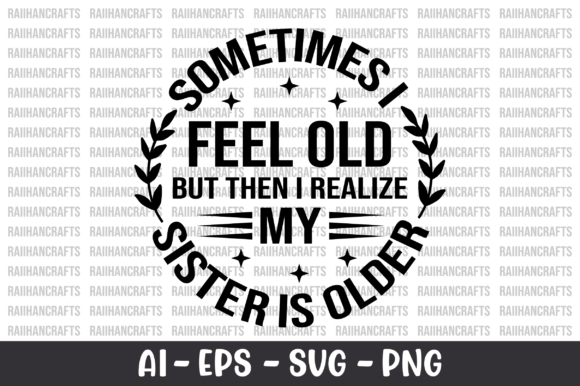
From the moment I saw Sometimes I Feel Old but then I Realize, I recognized its potential as a conversation starter. The phrase has a warm, nostalgic tone that resonates with many people, especially those who enjoy a bit of self-deprecating humor. The layout is clean and balanced, making it easy to read even at smaller sizes. It doesn’t scream for attention, which is a good thing—it allows the message to stand out without overwhelming the viewer.
The design feels like it was made for casual, everyday use. It fits well on t-shirts, tote bags, and sweatshirts, but also has enough personality to work on baby items or personalized gifts. The visual personality is friendly and approachable, which makes it ideal for handmade products and small business merchandise.
How It Performs in Real Embroidery Projects
I tested Sometimes I Feel Old but then I Realize on several different fabrics and projects to see how it would perform. On a cotton t-shirt, it looked sharp and clear. The stitch density was just right—not too tight, not too sparse. It worked well with both satin and fill stitches, and the overall appearance was professional and polished.
On a heavier fabric like a sweatshirt, the design still held up, though I noticed a slight distortion around the edges where the fabric stretched. This isn’t a deal-breaker, but it’s something to keep in mind if you’re planning to use this on stretchy materials. For custom apparel, it’s best to test on a similar fabric before committing to a larger project.
When I tried it on a tote bag, the design looked great, especially when placed near the top of the bag. It wasn’t too large, so it didn’t overwhelm the canvas. The same goes for caps and hats—smaller versions of the design would work well there, especially if you’re looking for a subtle, stylish touch.
Where to Use It Carefully
While Sometimes I Feel Old but then I Realize is a solid design, there are some situations where it might not be the best fit. If you’re working with small hoop sizes, the design may need to be split into sections, which can complicate the process. Similarly, on textured or thin fabrics, the details might get lost or appear less defined.
For dark fabrics, the contrast between the design and the background is important. If the thread color isn’t bold enough, the text might not show up well. I recommend testing the design on both light and dark backgrounds to ensure visibility. This is especially true for commercial embroidery projects where consistency matters.
On curved surfaces like caps or hoods, the design may require some adjustment to maintain its shape. Tiny lettering or intricate corners could become distorted if not handled carefully. If you’re planning to use this on a patch or embroidered item that will be sewn onto another garment, make sure the design is sized appropriately for the final placement.
Visual Appeal and Customer Reaction
One of the things I appreciate about Sometimes I Feel Old but then I Realize is how it adds value to a handmade product. It’s not overly complicated, but it has enough detail to feel meaningful. When used on a custom tote bag or a personalized gift, it can elevate the overall appeal and make the item feel more special.
Customers often respond positively to designs that have a personal touch. This one is perfect for a friend who supports your special day or for a holiday gift. It’s also great for small shop merchandise that needs to stand out on a crowded shelf. The design’s simplicity makes it easy to incorporate into a brand’s aesthetic without clashing with other elements.
Practical Tips for Embroidery Designers
If you’re considering using Sometimes I Feel Old but then I Realize in your next project, here are a few tips to keep in mind:
- Test on scrap fabric first to see how the design looks and how it stitches out.
- Check thread color contrast against the fabric you’ll be using to ensure visibility.
- Review stitch density to make sure it’s suitable for your project type.
- Confirm hoop size to avoid any issues during the stitching process.
- Inspect small details to ensure they remain intact after stitching.
- Test in black and white mockups to see how the design appears without color.
- Compare light and dark fabric backgrounds to determine the best thread color choice.
- Use proper stabilizer to prevent puckering or distortion on delicate fabrics.
- Check licensing before selling finished items or digital products.
Final Thoughts: A Versatile Design with Real-World Potential
Sometimes I Feel Old but then I Realize is a design that balances humor with practicality. It works well across a range of embroidery projects, from custom apparel to personalized gifts. While it’s not perfect for every situation, it’s a solid choice for small business owners, Etsy sellers, and crafters looking for a design that can be used in multiple ways.
As with any machine embroidery design, it’s important to test it thoroughly before using it in a commercial or client project. But if you take the time to understand its strengths and limitations, Sometimes I Feel Old but then I Realize can be a valuable addition to your design assets.